
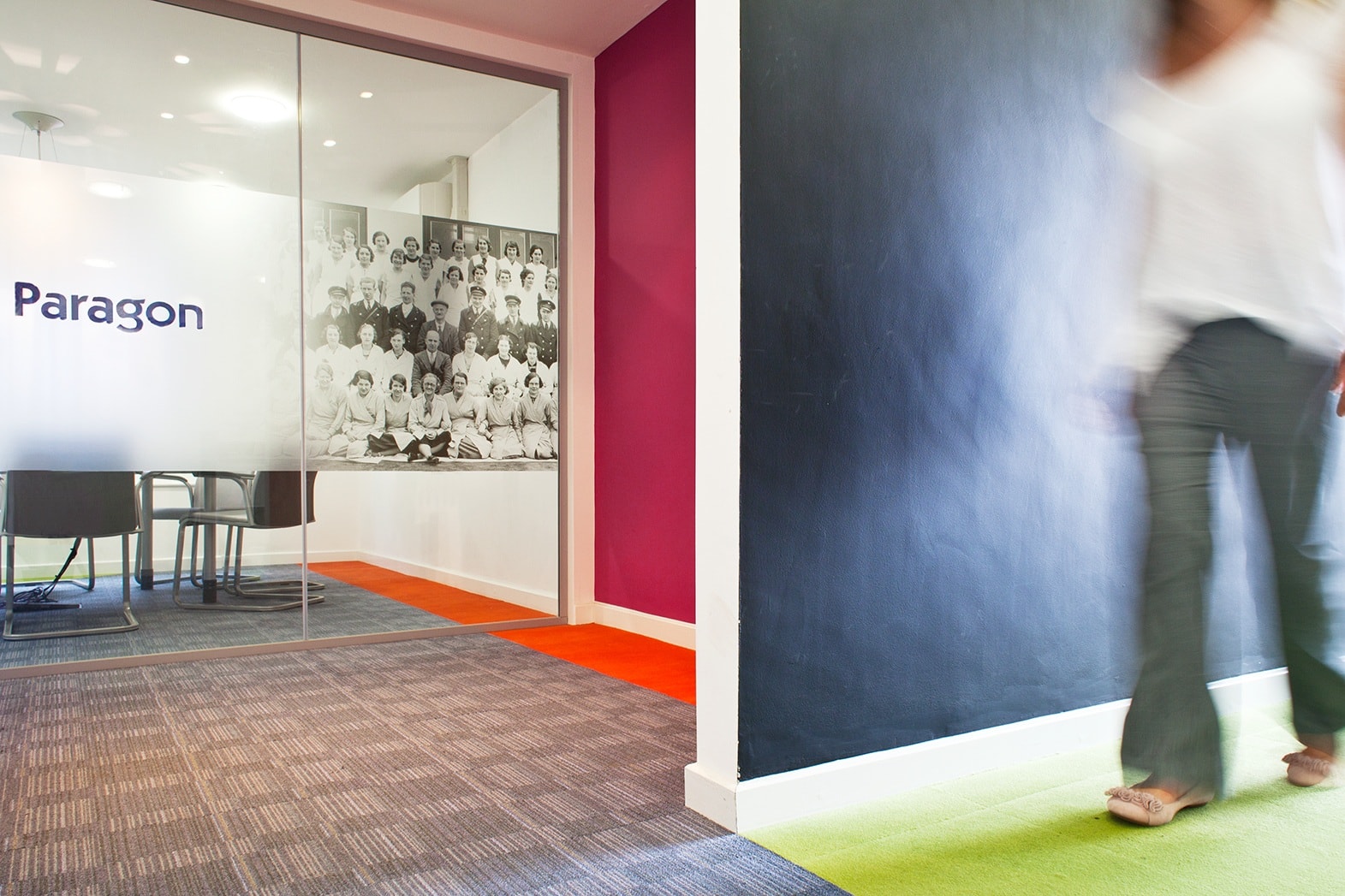
Moving is expensive and disruptive: a new fit-out, dilapidations on the old space, legal and agency fees, and the risk of losing people who face a longer journey. Before deciding to move, it is worth knowing what your current building could do with a new plan and a refreshed interior.
Refurbishing while you stay in occupation takes careful planning. The work is phased, noisy jobs are scheduled out of hours where needed, and everyone knows what is happening and when.
What it involves
Refurbishing without stopping work
Survey and options
What the existing space and services can support, and what a refurbishment would cost compared with a move.
Phasing
Breaking the work into stages so teams can move around the floor while each area is completed.
Reuse
Keeping partitions, furniture, floor finishes and fittings that still perform well, to save cost and embodied carbon.
Communication
A clear schedule for staff, so nobody is surprised by noise, dust or a temporary desk.
What to get right
Reuse first, replace where it matters
The most sustainable fit-out is usually the one that keeps the most. Raised floors, ceilings, partitions and good furniture can often be reused or refurbished, freeing budget for the things people notice: lighting, acoustics, meeting spaces and kitchens.
Check the building services early. Old air conditioning or lighting can limit what a new layout achieves, and replacing them is far easier during a refurbishment than afterwards.
- Compare the full cost of moving with the cost of staying, including dilapidations.
- Phase the work around your busiest periods.
- Plan temporary desks and meeting space for each phase.
- Record what was reused for your sustainability reporting.
A good fit if…
- Your lease has years to run, or a renewal is likely.
- The building is sound but the layout no longer suits you.
- You want improvement with as little disruption as possible.
Probably not the right fit if…
- The building cannot meet your needs even after refurbishment. Start with a building feasibility study.
From the archive
Devon Wildlife Trust
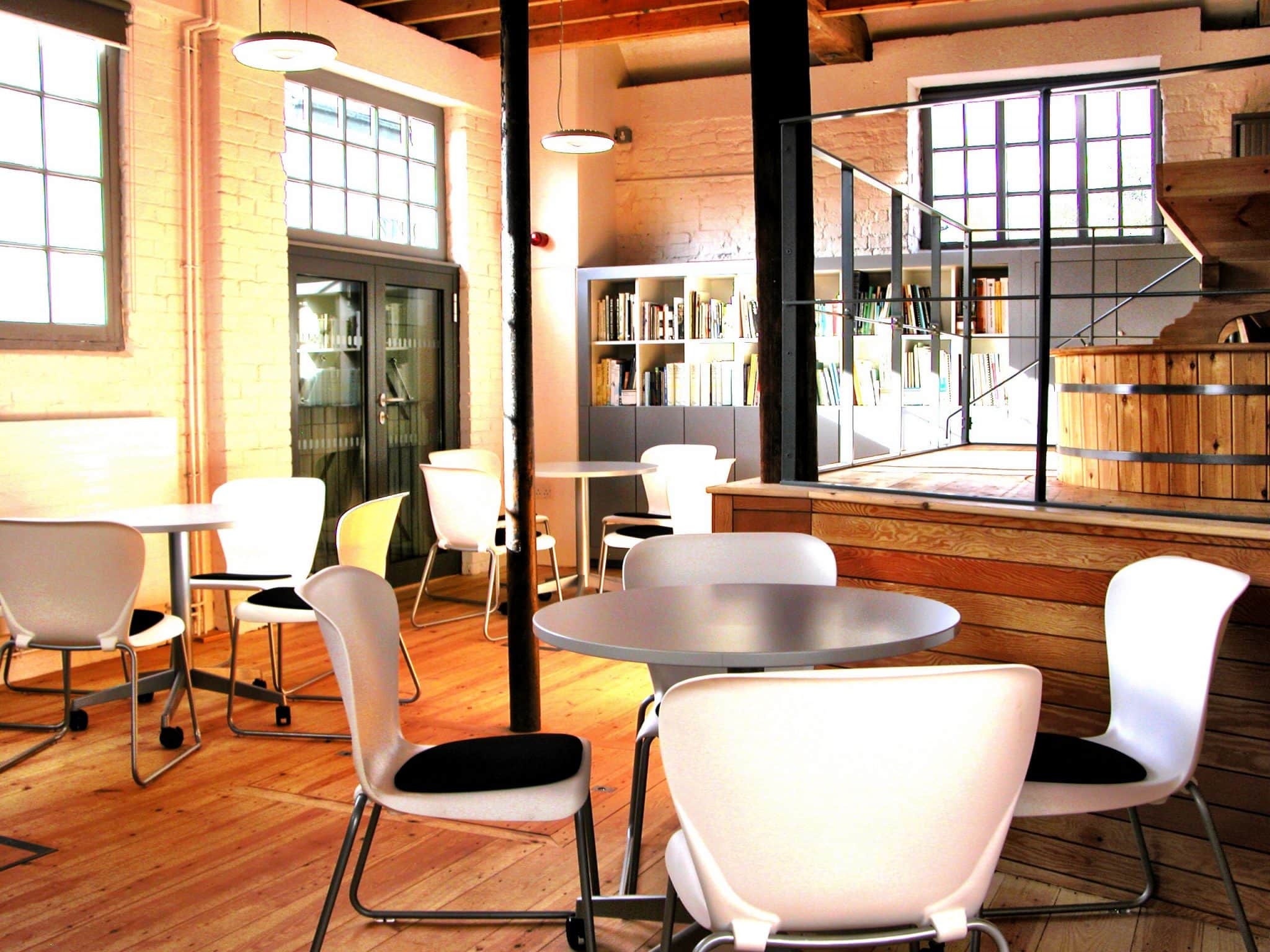
Devon Wildlife Trust bought a fire-damaged, listed mill in the centre of Exeter. The result is a headquarters with restored mill machinery, a leat running through the site and a working environment unlike any other.
Questions
What clients usually ask
Can we stay in the building while it is refurbished?
Usually, yes. With phasing, temporary space and some work out of hours, most offices can stay open. Very intrusive work, such as replacing air conditioning across a whole floor, may need a short temporary move for the teams affected.
How do we know whether to refurbish or move?
Compare the two side by side: the cost and disruption of each, what each would give you, and the lease position on both buildings. The answer is often clearer than people expect.
Related
Where this leads
Space planning · Finding room you did not know you had
Office design and build · Delivering the works
Move management and churn · Moving teams around the building
Start a conversation
Planning a move, a refurbishment or a rethink?
Tell us about the space, the people who use it and the date you are working to. You will get a straight answer about what it needs, what it is likely to cost and what to do first.