
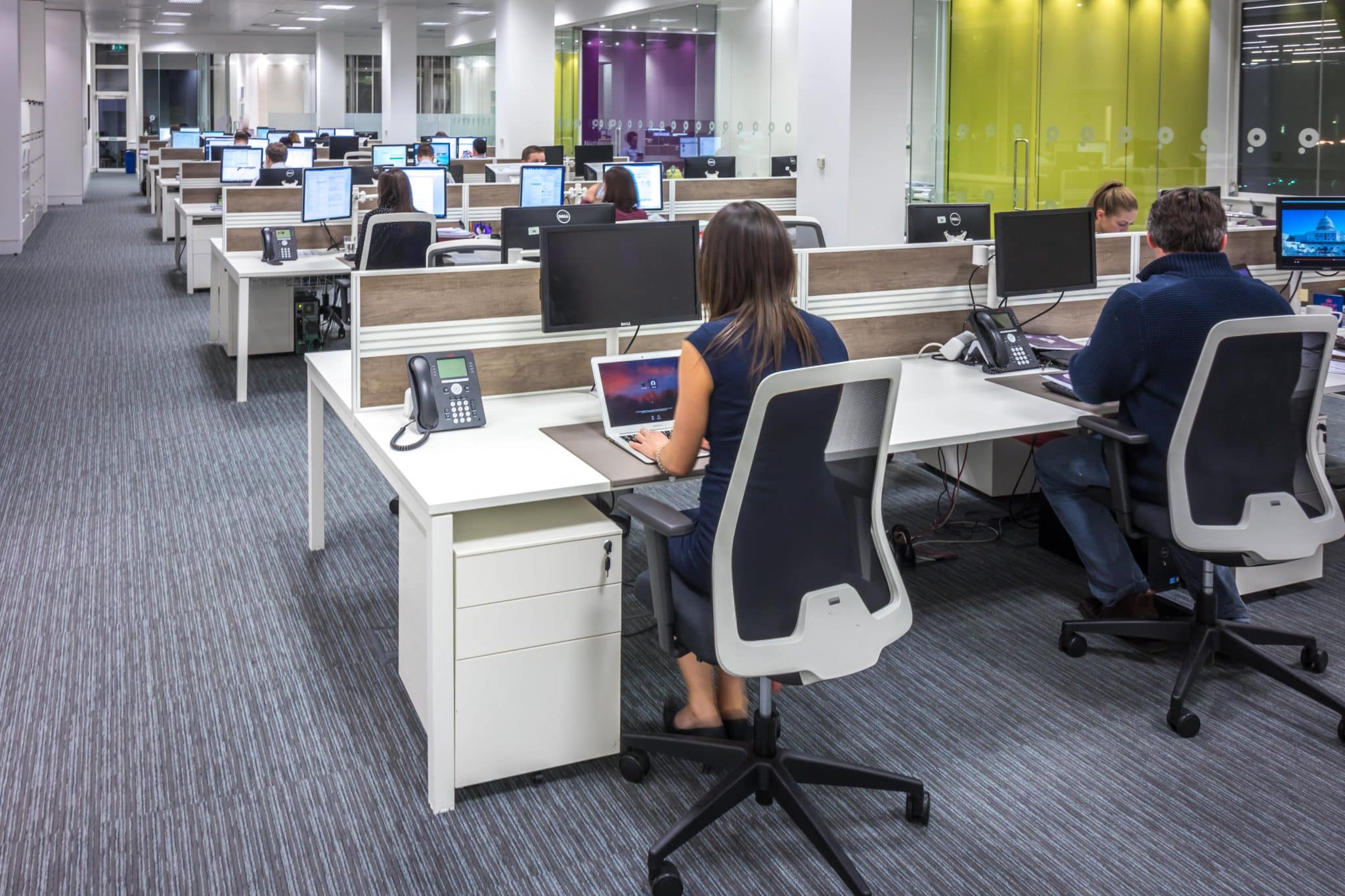
Category A, or Cat A, is the landlord’s basic finished space. It typically includes raised floors, suspended ceilings, lighting, heating and cooling, and finished toilets and common parts. It is usable but empty, with no partitions, kitchens or furniture.
Category B, or Cat B, is the occupier’s fit-out on top of Cat A: meeting rooms and partitions, kitchens and breakout areas, reception, furniture, IT, lighting changes and finishes. It is what turns a shell into your office.
The variations
Cat A, Cat A+ and everything in between
Shell and core
The building’s structure and shared services only. Common in new buildings let to large occupiers.
Cat A
A finished but empty floor, ready for an occupier’s own fit-out.
Cat A+
Cat A plus some fitted elements, such as a kitchen, a few meeting rooms or furniture, so you can move in faster.
Cat B
The occupier’s full fit-out, designed around its own brief.
What to get right
Read the specification, not the label
There is no fixed industry definition of Cat A+ or “fully fitted”. One landlord’s offer may include furniture and AV; another may mean a kitchen and some paint. Ask for the specification and drawings, and check what you would still need to add.
Watch for waste. A landlord’s Cat A ceiling and lighting may be ripped out by your Cat B fit-out. Where possible, agree a “Cat A-lite” or a contribution instead, so you are not paying, indirectly, for work that is thrown away.
- Compare buildings on total cost of occupation, including fit-out.
- Agree landlord’s works and contributions in the heads of terms.
- Check who owns and maintains fitted items at the end of the lease.
- Understand your reinstatement obligations before you sign.
A good fit if…
- You are comparing landlord offers and need a like-for-like view.
- You want to negotiate the landlord’s works and contribution.
Probably not the right fit if…
- You have already signed and the specification is fixed. See office interior design for the next step.
From the archive
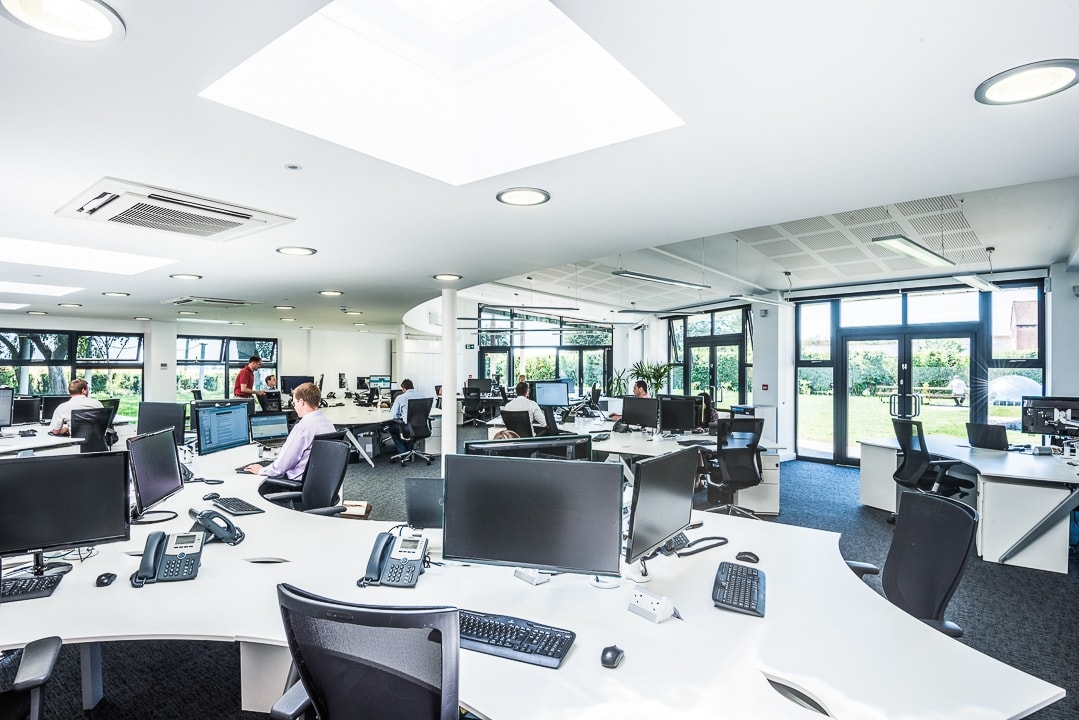
Oxford Capital
A Cat B fit-out built around how the team worked: an activity-based office with booths, quiet rooms and meeting spaces, and technology designed in from the start.
Questions
What clients usually ask
Who pays for Cat B?
Usually the occupier, although landlords often contribute through a cash contribution or a rent-free period, especially on longer leases. It is a point to negotiate.
Is Cat A+ worth it?
It can be, particularly for smaller occupiers who want to move quickly. Check that the fitted elements suit your brief, or you may end up paying to change them.
Related
Where this leads
Building feasibility · Comparing buildings before you sign
Office design and build · Delivering the Cat B fit-out
Start a conversation
Planning a move, a refurbishment or a rethink?
Tell us about the space, the people who use it and the date you are working to. You will get a straight answer about what it needs, what it is likely to cost and what to do first.