Cat A, Cat A+ and Cat B office fit-out explained: typical scope, who pays, common budgeting traps and the questions to ask before you sign.
In short
- Shell and core, Cat A, Cat A+ and Cat B are market shorthand, not legal definitions. No single standard wording exists, so always read the actual specification 1.
- Cat A is usually the landlord’s work, paid for by the landlord. Cat B is usually the tenant’s. With Cat A+ (“plug-and-play”), the landlord pays up front and gets the money back through the lease terms 12.
- Most budget overruns come from items left out of the headline rate: IT hardware, statutory works, alterations to the Cat A, reinstatement, and stripping out Cat A you never needed 34.
- Settle who does what, who pays and what you must put back before heads of terms are agreed.
Why the labels matter
The categories describe how far a floor has been finished before an occupier moves in. The industry has no fixed definition of them, so two buildings both advertised as “Cat A” can differ a great deal 1. Compare specifications, not labels.
Shell and core
This is the landlord’s base building: the structure, the cladding and the main plant, plus the shared parts such as the entrance, lifts, stairs and core toilets 1. The office floors may be bare slab, with services ending at the core. This gives you the most freedom, but everything between floor and ceiling slab becomes your cost and your programme.
Cat A: a usable but empty floor
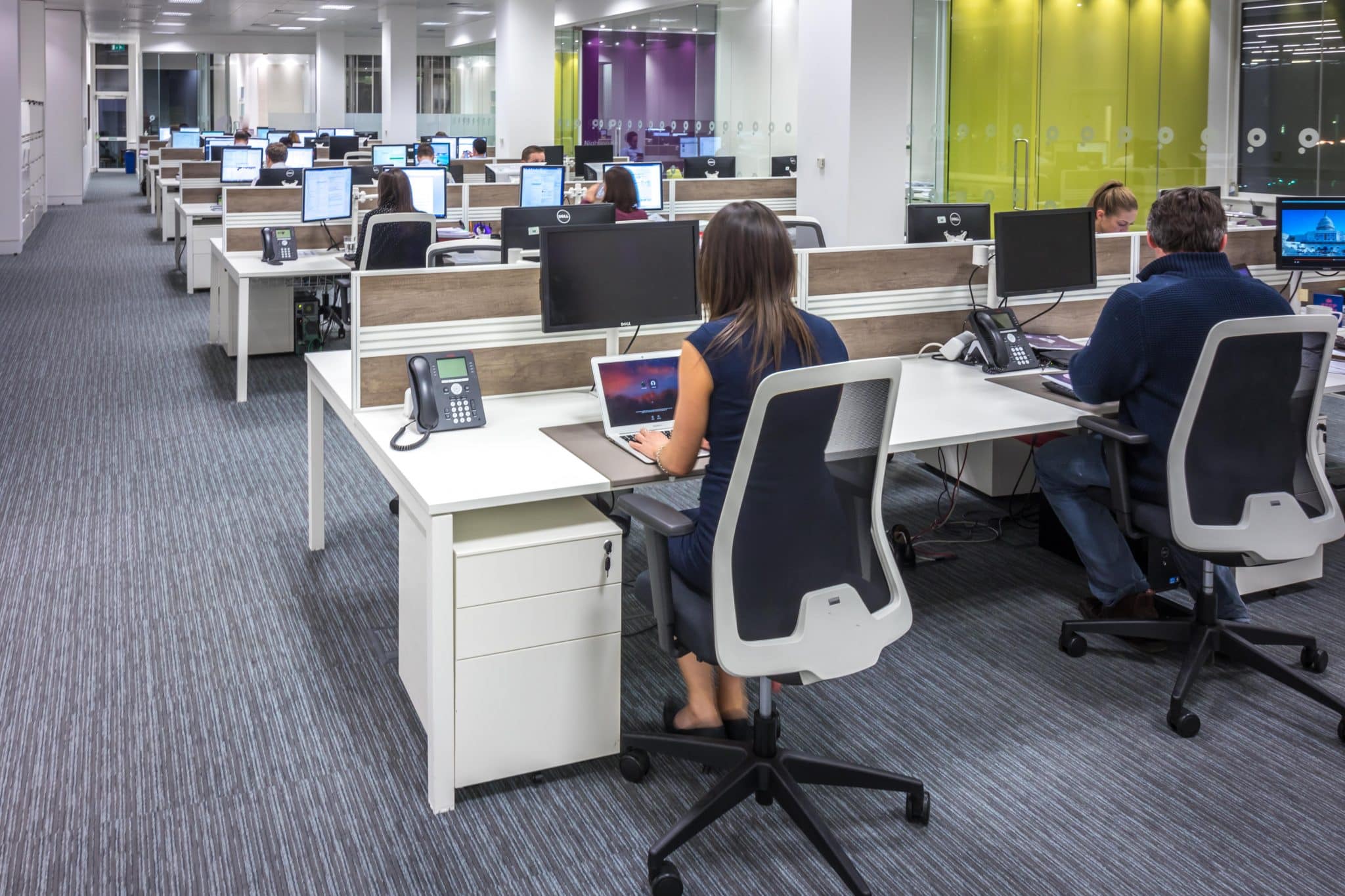
Cat A turns a shell floor into lettable space. Typical items include 1:
- raised access floor and suspended ceiling
- heating, cooling and ventilation distributed across the floor
- general open-plan lighting
- fire alarm, emergency lighting and sprinklers where the building has them
- electrical distribution boards and floor boxes
- blinds and basic statutory signage
Cat A does not usually include partitions, meeting rooms, a kitchen or tea point, a reception within your demise, furniture, data cabling, audio-visual equipment or branding. Some landlords include carpet tiles and some do not.
The landlord or developer normally pays for Cat A. A tenant with unusual requirements sometimes contributes, or a landlord may ask the tenant’s contractor to carry out parts of the Cat A alongside the Cat B and pay what it would otherwise have spent 1.
Cat B: making it your office
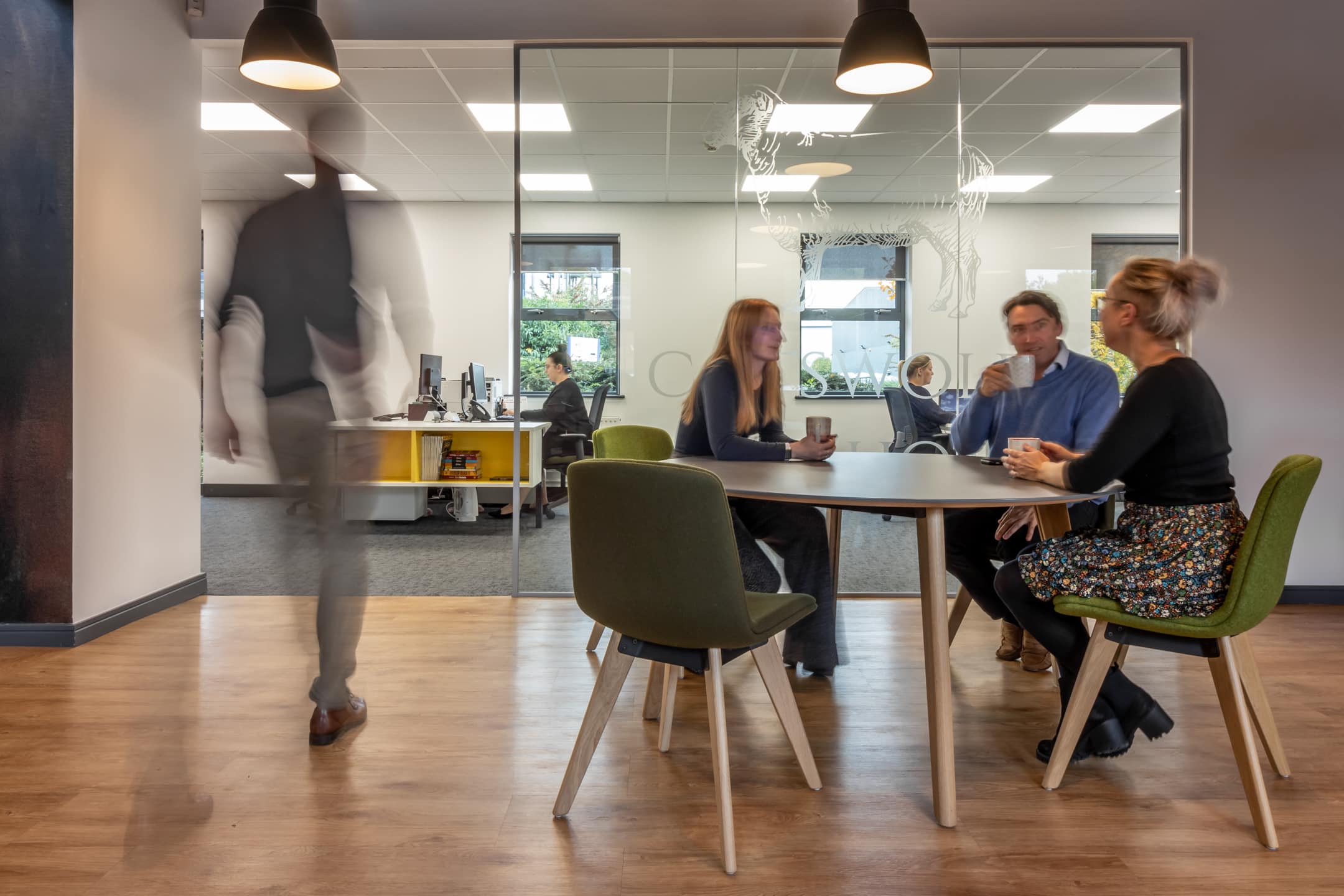
Cat B covers everything that makes the floor work for your organisation: partitions, meeting and quiet rooms, kitchen and breakout areas, reception, feature and task lighting, data and AV, furniture, finishes, signage and any specialist rooms 1. The tenant pays, sometimes helped by a landlord’s capital contribution or a rent-free period.
Cat B almost always means changing some of the Cat A. New rooms need their own fire detection, emergency lighting and ventilation. Ceiling grilles and fan coil units may need moving, and sprinkler heads may need adapting. These changes are easy to miss at budget stage.
Cat A+ and plug-and-play
Cat A+ sits between the two. The landlord installs a generic, ready-to-use fit-out, typically meeting rooms in neutral finishes and a kitchen, and sometimes furniture and data. The occupier avoids the up-front capital, the time and the management effort of procuring its own fit-out, which suits businesses that need to move quickly 2.
The landlord still has to recover its outlay, so rent and incentives will differ from a Cat A deal. Because the layout is generic, it may not suit an occupier with specific operational or brand requirements 2. Before signing, find out what you are allowed to change, who owns and maintains the furniture and equipment, and what happens to it at the end of the lease.
The waste problem with speculative Cat A
The British Council for Offices (BCO) report Circular Economy in Offices noted that incoming occupiers often strip out speculative Cat A finishes and fittings to install their own, which creates avoidable waste. It recommended dropping Cat A unless the incoming occupier asks for it, and fitting out a single floor as a showroom where marketing needs one 4.
If you are taking a floor that has not been fitted out yet, ask the landlord to leave out the Cat A elements you would remove anyway, or to adjust them to your layout. The money saved can sometimes go towards your own works instead. Landlord contributions and rent-free periods are treated differently for tax and VAT, so take advice on how any arrangement is structured.
Common budgeting traps
Comparing rates measured on different bases. Knight Frank’s spring 2026 occupier guide gives indicative London fit-out costs, starting from a landlord’s Cat A, of about £100 per sq ft for a basic scheme, £175 for a mid-range one and £250 or more at the top end. The guide also gives regional adjustments, for example about 15% lower in the South West and 20% lower in the West Midlands 3. Those figures include construction, furniture, AV and professional fees. Other quotes may cover construction alone. Always ask what is included and whether VAT is in or out.
Items outside the rate. The same guide excludes IT hardware and any consultant or base-building costs of achieving a sustainability or wellbeing accreditation 3. Add those separately if they apply.
Changes to the Cat A. Ask for these to be priced as a separate item, not left in a general allowance.
Statutory and safety obligations. Fit-out works that affect means of escape or controlled services usually need Building Regulations approval. As a business commissioning construction work, you are a “commercial client” under the CDM Regulations 2015, which comes with legal duties. Where more than one contractor is involved you must appoint a principal designer and a principal contractor. Projects lasting more than 30 working days with more than 20 workers on site at the same time, or exceeding 500 person-days, must be notified to the Health and Safety Executive 5.
Landlord approvals. Allow for a licence for alterations, the landlord’s surveyor’s fees, and building rules that may restrict noisy work to evenings or weekends.
Reinstatement. Under the RICS Code for leasing business premises, heads of terms should deal with alterations and reinstatement. Agree early whether you must strip out your fit-out at the end of the lease, because this can be a large future liability.
Rising costs. Knight Frank reports that fit-out costs have risen sharply 3. Keep a contingency that matches how developed the design is.
Questions to ask a landlord
- Can we see the Cat A drawings and the mechanical and electrical specification, including the design occupancy and cooling capacity?
- Is anything already installed that we will have to remove? Would you leave it out, or contribute to our costs instead?
- Who pays to adapt the Cat A to our layout?
- What will we have to reinstate at the end of the lease, and can we leave our alterations in place?
- For Cat A+: what can we change, who owns and maintains the furniture and equipment, and what happens to it at the end of the lease?
- Must we use your nominated firms for fire alarm, sprinkler or controls work?
Questions to ask a designer or contractor
- What exactly does the price include: fees, furniture, AV, data cabling, IT hardware, statutory approvals, VAT?
- Which items are provisional sums, and how have they been estimated?
- How are changes to the Cat A priced?
- Who will act as principal designer and principal contractor, and who is responsible for the Building Regulations application?
- Does the programme allow for landlord approvals and items with long lead times?
- What can we reuse from our current office or from the existing fit-out?
Sources
- Designing Buildings Wiki, Fit out of buildings (Cat A and Cat B definitions and typical scope)
- Brodies LLP, Plug and play: Cat A+ fit-out (October 2023)
- Knight Frank, Occupier Fit-Out Cost Guide, Spring 2026
- Workplace Insight, Commercial property sector should embrace circular economy, say BCO (November 2022)
- Health and Safety Executive, CDM 2015: commercial clients
Figures were checked against the sources listed in October 2026. Fit-out costs move quickly; treat the rates as a guide and get current prices for your own scheme.